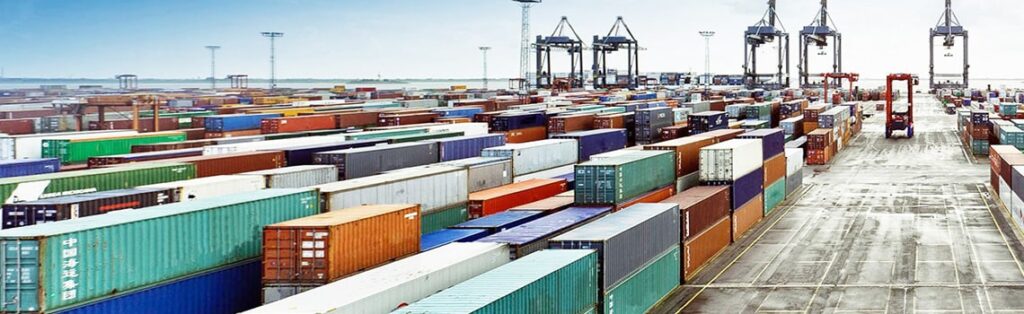
What is General Cargo? A Comprehensive Guide to General Cargo Transportation
If you have worked in the field of international transportation, export or import, you have probably heard the term “General Cargo” many times. But what exactly does this concept include, and how does it differ from bulk or special cargo?
In this article, we will fully examine the concept of general cargo, its features, types of packaging, and methods of transportation.
Definition of General Cargo in simple language
In simple terms, general cargo refers to goods that have a specific packaging and can be counted and moved numerically, in cartons, boxes, barrels, or pallets.
Unlike “bulk cargo” (such as wheat, oil, or iron ore, which are not packaged), these goods require specific restraint, packaging, and transportation methods.
Types of General Cargo Goods
Public goods comprise a wide range of commercial products:
- Packaged goods: household appliances, clothing, auto parts, electronic equipment.
- Pallet loads: Items stacked on wooden or plastic pallets and secured with stretch wrap.
- Barrel and bag cargo: non-hazardous chemical raw materials, dry food, or bagged cement.
- Breakbulk loads: Industrial machinery, pipes or equipment that are loaded separately due to their specific size.
Types of packaging in general cargo transportation
Proper packaging in general cargo is the heart of cargo security. Common types include:
- Pallet: To facilitate loading with a forklift and prevent the load from shaking.
- Wooden boxes and crates: Great for sensitive and heavy industrial parts.
- Durable cartons: Suitable for consumer goods and small loads.
General Cargo Transportation Methods
General cargo has high flexibility and can be transported by all methods of transportation:
- Container transportation (sea/rail/road): The most standard and reliable method for general cargo.
- Air freight: Suitable for general cargo with high value or urgent delivery time.
- Road transport (tented and flatbed trailers): The best solution for regional transit and the CIS area.
Conclusion
Understanding the characteristics of general cargo will help you choose the best type of packaging and shipping method and prevent damage to goods during international transportation.